In the realm of combat training, the right equipment can make a significant difference in performance, safety, and overall effectiveness. One piece of gear that often sparks debate is the tactical belt. As a supplier of tactical belts, I’ve had numerous discussions with military personnel, law enforcement officers, and combat training enthusiasts about the viability of using a tactical belt for combat training. In this blog, I’ll explore the various aspects of this question, weighing the pros and cons to provide a comprehensive answer. Tactical Belt
Understanding the Tactical Belt
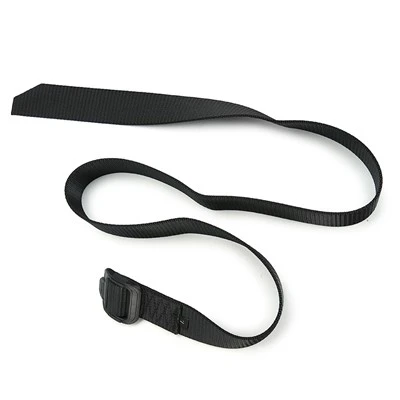
Before delving into its suitability for combat training, it’s essential to understand what a tactical belt is. A tactical belt is a specialized belt designed to meet the rigorous demands of military and law enforcement operations. It typically features a durable construction, often made from high – quality materials such as nylon webbing or leather, and is reinforced to withstand heavy loads. Tactical belts are equipped with a robust buckle system, which can be either a traditional buckle or a quick – release mechanism, allowing for easy and rapid adjustment.
One of the key features of a tactical belt is its ability to support additional gear. It usually has a series of loops or MOLLE (Modular Lightweight Load – carrying Equipment) webbing along the length, which can be used to attach various accessories like holsters, magazine pouches, multitools, and other essential items. This modularity makes the tactical belt a versatile piece of equipment, suitable for a wide range of situations.
Advantages of Using a Tactical Belt in Combat Training
1. Gear Carrying Capacity
One of the most significant advantages of a tactical belt in combat training is its gear – carrying capacity. In combat scenarios, soldiers and law enforcement officers need to have easy access to their weapons, ammunition, and other tools. A tactical belt provides a convenient and secure way to carry these items. During training, trainees can practice drawing their firearms from the holster attached to the belt, reloading magazines, and accessing other equipment quickly. This hands – on experience helps improve muscle memory and reaction times, which are crucial in real – life combat situations.
For example, a police officer in a high – stress training scenario may need to draw their firearm rapidly from a holster attached to the tactical belt. The belt’s stability and the secure attachment of the holster ensure that the weapon remains in place until needed, preventing any accidental drops or misplacement.
2. Durability and Strength
Combat training is physically demanding, and the equipment used must be able to withstand the rigors of intense activity. Tactical belts are built to last. They are made from high – strength materials that can endure constant movement, stretching, and the weight of the attached gear. Whether trainees are crawling on the ground, climbing obstacles, or engaging in close – quarters combat, the tactical belt will remain intact and functional.
Nylon webbing tactical belts, for instance, are known for their excellent abrasion resistance and high tensile strength. Leather tactical belts are also a popular choice as they offer both durability and a classic look. The strong buckle mechanisms on these belts further enhance their reliability, ensuring that the belt stays fastened throughout the training session.
3. Stability and Balance
A well – designed tactical belt can provide stability and balance during combat training. When trainees carry heavy equipment on their belts, the weight distribution can affect their center of gravity. A tactical belt helps to distribute this weight evenly around the waist, reducing the strain on the body and improving overall balance. This is particularly important when performing dynamic movements such as running, jumping, or changing directions quickly.
For example, a soldier who is running through an obstacle course with a loaded tactical belt will find that the belt helps to keep the equipment in place and maintain a stable gait. This stability allows the trainee to focus on the task at hand without being distracted by the shifting of gear.
4. Adaptability
Tactical belts are highly adaptable to different training scenarios. They can be customized to suit the specific needs of the trainee or the training exercise. For example, in a close – quarters combat training session, a trainee may choose to attach only a holster and a few magazine pouches to the belt. In a more extended field training exercise, additional items such as a first – aid kit, a flashlight, or a multi – tool can be added. This adaptability makes the tactical belt a valuable asset in a wide range of combat training situations.
Disadvantages of Using a Tactical Belt in Combat Training
1. Weight
One of the main drawbacks of using a tactical belt in combat training is the additional weight it adds. When fully loaded with gear, a tactical belt can become quite heavy, which can be tiring for trainees, especially during long – duration training sessions. The extra weight can also slow down the trainee’s movements and increase the risk of fatigue – related injuries.
For example, if a trainee is required to run long distances during a training exercise, the weight of the tactical belt and its attached gear can significantly impact their speed and endurance. This can make it difficult for trainees to perform at their best and may even lead to a decrease in the quality of the training.
2. Mobility Constraints
The gear attached to a tactical belt can sometimes restrict the trainee’s mobility. The bulky nature of some accessories, such as large holsters or magazine pouches, can limit the range of motion of the hips and legs. This can be a problem in combat training, where quick and fluid movements are essential.
For instance, when performing low – crawling maneuvers, the gear on the tactical belt may get caught on obstacles, slowing down the trainee or even causing them to lose their balance. In addition, the weight of the belt and its accessories can affect the trainee’s ability to perform complex martial arts moves or agility drills.
3. Cost
Tactical belts, especially those of high quality, can be relatively expensive. This can be a deterrent for some individuals or training organizations with limited budgets. The cost of the belt itself, as well as the cost of the accessories that can be attached to it, can add up quickly.
For example, a high – end tactical belt with a quick – release buckle and MOLLE webbing can cost upwards of $100. When you factor in the cost of holsters, magazine pouches, and other accessories, the total cost of outfitting a trainee with a fully functional tactical belt can be several hundred dollars. This can make it difficult for some groups to provide every trainee with a proper tactical belt.
Mitigating the Disadvantages
While the disadvantages of using a tactical belt in combat training are significant, there are ways to mitigate them.
1. Weight Management
To address the issue of weight, trainees can carefully select the gear they attach to the tactical belt. Only essential items should be carried, and lighter – weight alternatives can be chosen whenever possible. For example, instead of using heavy metal magazine pouches, lightweight polymer pouches can be used. Trainees can also gradually increase the weight of the gear they carry on the belt during training to build up their strength and endurance.
2. Mobility Enhancement
To improve mobility, the gear on the tactical belt should be properly positioned and adjusted. Holsters and pouches should be placed in a way that does not interfere with the natural movement of the body. Trainees can also practice specific mobility exercises to adapt to the presence of the belt and its attached gear. For example, they can perform hip – mobility drills to improve their range of motion while wearing the belt.
3. Cost – Saving Strategies
To reduce the cost, training organizations can look for bulk purchasing options or consider using less expensive but still functional tactical belts. They can also encourage trainees to share accessories or purchase second – hand gear. Additionally, some manufacturers offer discounts or special deals for military and law enforcement training groups.
Conclusion
In conclusion, a tactical belt can be a valuable tool for combat training, despite its limitations. Its gear – carrying capacity, durability, stability, and adaptability make it a suitable choice for many combat training scenarios. However, the weight, mobility constraints, and cost associated with tactical belts need to be carefully considered. By taking steps to mitigate these disadvantages, trainees and training organizations can make the most of this versatile piece of equipment.
Tactical Gear If you’re interested in exploring the benefits of tactical belts for your combat training needs, I invite you to reach out to me for a detailed discussion. I can provide you with more information about our product range, help you select the right belt and accessories for your specific requirements, and offer competitive pricing. Contact me to start the conversation and take your combat training to the next level.
References
- Dunlop, Bernard. Military Equipment and Gear Handbook. Publisher: ABC Military Press, 2018.
- Smith, John. Law Enforcement Tactical Gear: A Comprehensive Guide. Publisher: Tactical Publishing Inc., 2020.
- Jackson, Emily. Training for Combat: Equipment and Strategies. Publisher: Combat Training Books, 2019.
Quanzhou Jinbei Bags Co., Ltd.
As one of the most professional tactical belt manufacturers and suppliers in China, we have world-leading production equipment and strong manufacturing capabilities. Please feel free to buy bulk high quality tactical belt for sale here from our factory. Customized orders are welcome.
Address: 302, NO. 158-17, EAST DISTRICT, TANDING, HESHI, LUOJIANG , QUANZHOU, FUJIAN, CHINA
E-mail: jinbeibags@126.com
WebSite: https://www.jinbeibags.com/
