Hey there! I’m a supplier of TPU (Thermoplastic Polyurethane), and today I wanna chat about a super interesting topic: What is the storage capacity of TPU – associated memory? TPU
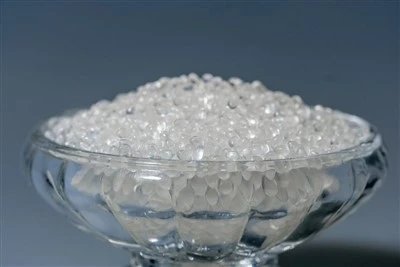
First off, let’s get a bit of background on TPU. TPU is an amazing material. It’s got this unique combination of properties that make it super useful in a whole bunch of industries. It’s flexible, durable, and can be molded into all sorts of shapes. You can find it in everything from sports gear to medical devices, and even in some high – tech electronics.
Now, when we talk about TPU – associated memory, we’re not really talking about the kind of memory like in your computer. Instead, we’re referring to TPU’s ability to "remember" its original shape after being deformed. This property is called shape memory. It’s like when you bend a piece of TPU and then it goes back to how it was before.
But where does the "storage capacity" part come in? In the context of TPU, the storage capacity of its associated memory can be thought of as how well it can maintain and recover its original shape over multiple deformation cycles.
One way to measure this is by looking at the shape recovery ratio. This is basically the percentage of how much the TPU returns to its original shape after being deformed. A high shape recovery ratio means that the TPU has a better "storage capacity" for its memory. For example, if you deform a TPU object and it recovers 90% of its original shape, that’s a pretty good storage capacity for its shape – memory.
The factors that affect this storage capacity are quite a few. The chemical composition of the TPU is a big one. Different types of TPU are made by combining different chemicals, and each combination can have a different impact on the shape – memory properties. For instance, some TPUs with a higher percentage of certain polymers might have a better shape – recovery ability.
The processing conditions during the manufacturing of TPU also play a key role. If the TPU is molded at the wrong temperature or under incorrect pressure, it can mess up its internal structure, which in turn affects its shape – memory storage capacity. A well – processed TPU will usually have a more consistent and reliable shape – memory performance.
Another factor is the environment where the TPU is used. Temperature, humidity, and exposure to chemicals can all have an impact. If the temperature is too high or too low, the TPU might not be able to recover its shape as well. For example, in extremely cold temperatures, the TPU becomes more rigid, and its ability to return to its original shape can be reduced.
Let’s take a real – world example. In the automotive industry, TPU is used in some interior parts, like seat covers or dashboard trims. These parts might get stretched or deformed during normal use. The TPU’s shape – memory storage capacity is crucial here because it ensures that the parts look good and fit properly over time. If the TPU doesn’t have a good storage capacity for its shape – memory, the parts might start to look saggy or out of place after a while.
In the medical field, TPU is used in things like catheters. The shape – memory property of TPU allows the catheter to be inserted in a more flexible state and then return to its original, more rigid shape once it’s in place. A high storage capacity for shape – memory is essential in this case to ensure the catheter functions effectively and safely.
Now, as a TPU supplier, I can tell you that we work really hard to ensure that the TPU we provide has a good storage capacity for its associated memory. We carefully control the chemical composition during production, and we use advanced processing techniques to make sure the internal structure of the TPU is as consistent as possible.
We also test our TPU products under different environmental conditions to make sure they’ll perform well no matter where they’re used. This way, our customers can be confident that the TPU they’re getting will have reliable shape – memory properties.
If you’re in an industry that could benefit from TPU’s shape – memory capabilities, like automotive, medical, consumer goods, or electronics, you should definitely consider working with us. We can provide you with high – quality TPU that has a great storage capacity for its associated memory.
Whether you need small – scale samples for testing or large – scale production quantities, we’ve got you covered. Our team is always ready to answer your questions and help you find the right TPU solution for your specific needs.
So, if you’re interested in chatting more about our TPU products and how they can fit into your projects, don’t hesitate to reach out. Just start a conversation, and we can start exploring the possibilities together. We’re excited to see how our TPU can enhance your products and bring new value to your business.
TPU References:
- Brady, F. T., & Pine, A. S. (Eds.). (2009). Thermoplastic Elastomers: A Comprehensive Review. Hanser.
- Cowie, J. M. G., & Arrighi, V. (2007). Polymers: Chemistry & Physics of Modern Materials. CRC Press.
Kunshan Kesun Polymer Co., Ltd.
Kunshan Kesun Polymer Co., Ltd. is one of the most professional TPU manufacturers and suppliers in China, featured by quality products and low price. Please feel free to wholesale bulk eco-friendly TPU from our factory. Contact us for customized service and free sample.
Address: No.108,Jinmao Road,Zhoushi Town,KunShan ,Jiangsu,China
E-mail: melody_yang@kesuntpe.com
WebSite: https://www.kesun-tpe.net/
