As a supplier of bike road integrated handlebars, I understand the critical role that these components play in the overall performance, safety, and comfort of a bicycle. Checking the quality of a bike road integrated handlebar is a multi – faceted process that involves a combination of visual inspection, physical testing, and understanding of the materials and manufacturing processes. Bike Road Integrated Handlebar

Visual Inspection
The first step in assessing the quality of a bike road integrated handlebar is a thorough visual inspection. Start by examining the surface finish. A high – quality handlebar should have a smooth, even finish without any visible scratches, dents, or blemishes. Minor imperfections may not only affect the aesthetics but could also be an indication of a substandard manufacturing process or handling damage.
Check the welds, if applicable. For handlebars that are welded, the welds should be clean, consistent, and free of cracks or porosity. Welds that look uneven or have signs of spatter can be a sign of poor welding quality, which can compromise the structural integrity of the handlebar.
Inspect the alignment of the handlebar. The bars should be straight and parallel, with no signs of twisting or bending. Misaligned handlebars can lead to an uncomfortable riding position and may also affect the handling of the bike. Look at the shape of the handlebar as well. It should conform to the specified design, with smooth curves and transitions that match the intended ergonomic and aerodynamic requirements.
Material Analysis
The materials used in the construction of a bike road integrated handlebar have a significant impact on its quality. Common materials include aluminum alloy, carbon fiber, and steel.
Aluminum alloy handlebars are popular due to their lightweight, corrosion resistance, and relatively low cost. To check the quality of an aluminum handlebar, look for signs of proper heat – treatment. Heat – treated aluminum has improved strength and durability. You can often tell if an aluminum handlebar has been heat – treated by its hardness. A high – quality aluminum handlebar should be hard enough to resist minor impacts but still have some flexibility to absorb vibrations.
Carbon fiber handlebars are known for their excellent strength – to – weight ratio and vibration – damping properties. When inspecting a carbon fiber handlebar, look for any signs of delamination or fiber breakage. Delamination occurs when the layers of carbon fiber separate from each other, which can significantly weaken the handlebar. You can usually detect delamination by looking for bubbles, bumps, or uneven areas on the surface of the handlebar. Also, check the resin – to – fiber ratio. A proper resin – to – fiber ratio ensures that the carbon fibers are well – bonded and protected.
Steel handlebars are less common in modern road bikes but are still used in some applications due to their durability and strength. When evaluating a steel handlebar, check for rust or corrosion, especially in areas where the protective coating has been damaged. Also, examine the thickness of the steel. A high – quality steel handlebar should have a consistent wall thickness throughout its structure.
Physical Testing
Physical testing is an essential part of checking the quality of a bike road integrated handlebar. One of the most basic physical tests is the torque test. Use a torque wrench to apply the recommended torque to the bolts that attach the handlebar to the stem. If the handlebar starts to rotate or move when the recommended torque is applied, it indicates a problem with the fit or the quality of the handlebar and stem interface.
Another important test is the stress test. While it’s not practical to perform extreme stress tests on every handlebar, you can apply a moderate amount of pressure to different parts of the handlebar to check for any signs of weakness. For example, you can gently flex the ends of the handlebar to see if it feels stiff and stable or if it has excessive give. However, be careful not to apply too much force, as this could damage a good – quality handlebar.
You can also test the weight of the handlebar. Compare the actual weight of the handlebar with the manufacturer’s specifications. A significant deviation from the specified weight could be a sign of a manufacturing defect or the use of improper materials.
Ergonomics and Functionality
The quality of a bike road integrated handlebar also depends on its ergonomics and functionality. Check the shape and diameter of the handlebar grips. They should be comfortable to hold for extended periods, with a suitable texture to provide a good grip, even when your hands are sweaty. The shape of the handlebar should allow for multiple hand positions, which is important for reducing fatigue and improving comfort during long rides.
Inspect the brake and shifter compatibility. A high – quality handlebar should be designed to work seamlessly with standard brake and shifter components. Check the routing channels for the brake and shifter cables. They should be smooth and well – defined to ensure easy installation and proper cable management.
Brand Reputation and Certification
Research the brand of the bike road integrated handlebar. A well – established and reputable brand is more likely to produce high – quality handlebars. Look for brands that have a history of innovation, quality control, and positive customer reviews.
Certifications can also be a good indicator of quality. Look for handlebars that meet industry standards such as ISO (International Organization for Standardization) or EN (European Norms) standards. These standards set requirements for the design, materials, and performance of bike components, ensuring that the handlebar has been tested and meets minimum safety and quality criteria.
Packaging and Documentation
The quality of the packaging and accompanying documentation can also give you an idea about the overall quality of the handlebar. A high – quality handlebar will usually come in a sturdy, well – designed box that provides adequate protection during shipping. The packaging should also include clear labeling with information such as the brand, model, specifications, and installation instructions.
Documentation such as a user manual and warranty information is also important. A comprehensive user manual can help you understand the proper installation and maintenance of the handlebar, while a good warranty indicates that the manufacturer stands behind the quality of their product.
Conclusion
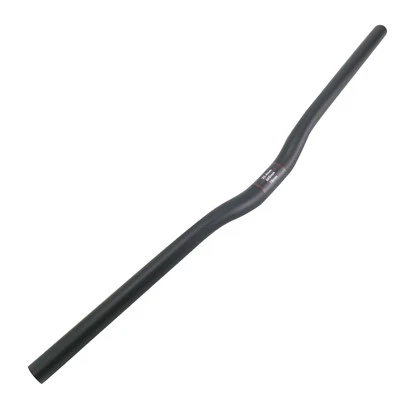
Checking the quality of a bike road integrated handlebar is a comprehensive process that involves visual inspection, material analysis, physical testing, evaluation of ergonomics and functionality, consideration of brand reputation and certification, and examination of packaging and documentation. As a supplier, I am committed to providing high – quality handlebars that meet the strictest standards of performance, safety, and comfort.
Road Bike Handlebar If you are in the market for top – notch bike road integrated handlebars or have any questions about our products, we invite you to reach out for procurement and discussion. We look forward to collaborating with you to enhance the cycling experience for your customers.
References
- ISO Standards for Bicycle Components
- EN Norms for Bike Equipment
- Industry Publications on Bicycle Technology and Design
Hunan Yecheng Technology Co., Ltd.
We’re well-known as one of the leading bike road integrated handlebar manufacturers and suppliers in China, also support customized service. Please feel free to buy high quality bike road integrated handlebar for sale here from our factory. For more information, contact us now.
Address: Changsha, Hunan Province, China.
E-mail: info@rxlsl.com
WebSite: https://www.rxlsl.com/
