Hey everyone, I’m Jake, and for the last six years, I’ve been part of the team that supplies urology RF plasma surgical systems—so when people DM me asking, “How long does a procedure with these even take?” I get it. It’s not just a random number; it’s tied to patient comfort, OR scheduling, and even what’s happening with their specific condition. Let’s break this down like we’re chatting over a coffee (minus the crinkly hospital gowns, obvi). Urology RF Plasma Surgical Systems
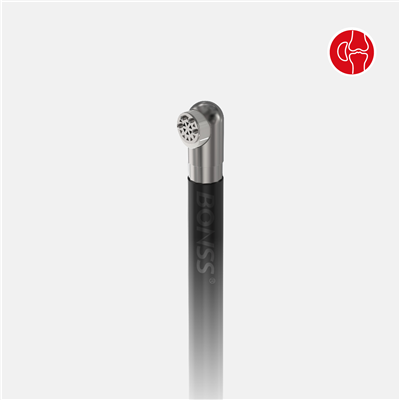
First, let’s get one thing straight: RF plasma systems aren’t a one-size-fits-all tool. They work by creating a tiny, precise plasma cloud from saline, which cuts through tissue while sealing blood vessels and nerve endings way more gently than old-school electrosurgery. That precision is where most of the time savings come from, but the actual procedure time shifts hard based on what we’re treating. I’ve watched OR teams use these systems for everything from minor in-office tweaks to more involved inpatient work, and I can tell you there’s no single answer. But let’s walk through the most common cases I hear about, because that’s what really matters to patients and clinicians.
Let’s start with the stuff that happens in clinic first—those smaller, lower-stakes procedures that don’t require general anesthesia, right? The most common one here is transurethral resection of the prostate (TURP) for mild to moderate BPH, or benign prostatic hyperplasia, which is basically that enlarged prostate that makes you pee every 20 minutes at night. Wait, I should clarify: when we talk about urology RF plasma systems for BPH, it’s often called plasma kinetic TURP, or plasmakinetic resection. Back when I started, a standard cold TURP would take 45 to 60 minutes, and patients would be sore for days. Now, with our systems? A small resection—like taking out a lobe of prostate tissue from a guy with moderate symptoms—takes 15 to 25 minutes total. The OR prep (they might be awake with a spinal block) adds another 30, but the actual cutting and sealing time is way shorter. Oh, and another in-office one: circumcisions for adult patients who want a faster recovery, or even pediatric circumcisions when parents opt for a gentler option. Those take less than 5 minutes of actual work with the RF plasma tip—no more unnecessary bleeding, so the whole thing is quick and the kid doesn’t even fuss much (I’ve heard from clinicians they say it’s like a tiny pinch).
But let’s get to the more involved stuff that happens in the main OR, because that’s where people usually have the most questions. First, let’s talk about transurethral resection of bladder tumors (TURBT)—super common for both initial biopsies and removing recurrent tumors. A few years back, TURBT would take 30 to 40 minutes, but with plasma systems that target only the tumor (not the healthy bladder wall), we cut that down to 10 to 15 minutes for small, early-stage tumors. For larger tumors—like the ones that are 3cm or bigger, maybe multiple growths? That jumps to 30 to 45 minutes of actual procedure time, because you have to work carefully to avoid perforating the bladder wall, and the plasma’s precision means you’re not wasting time re-cutting damaged tissue. I remember last year a urologist in Chicago hit me up because they were doing 7cm recurrent tumors, and they cut their OR time for that case from 90 minutes (with old electrosurgery) to 50 minutes with our system. The biggest win there? Less time under anesthesia, so patients were discharged the same day instead of staying overnight. That’s a huge difference.
Then there’s the big one for us: holmium laser enucleation of the prostate (HoLEP) is the gold standard for large prostates, right? Wait, but some surgeons are switching to RF plasma enucleation too—called plasmakinetic enucleation of the prostate (PKEP) if that’s the system they’re using. For a 100g+ prostate (the big ones, like a grapefruit), HoLEP takes about 90 to 120 minutes total, with the enucleation step alone taking 60 to 70 minutes. With our RF plasma system, that enucleation step is 40 to 55 minutes. Why? The plasma cuts and seals at the same time, so you’re not stopping to clamp tiny blood vessels every 10 seconds. The surgeon I mentioned earlier in Chicago—wait, no, that was the TURBT guy, maybe the one in Detroit? Yeah, he does PKEP for 150g prostates and told me he shaved 45 minutes off his average case time last quarter. The OR team loves it because they can move to the next case faster, and the patient’s catheter stay is shorter too—usually 1 night instead of 2. That’s not just time saved in the OR; that’s saved bed space, less post-op pain, fewer visits to the clinic.
Wait, I should also talk about variables that mess with the time, because it’s not just the condition. Surgeon experience is a big one. A brand-new urology resident might take 2x longer than a seasoned attending, because they’re still learning how to angle the RF tip, how to adjust the power setting, how to avoid accidental cuts. We train clinicians on our systems for free, by the way—no extra charge, because we don’t want someone wasting time fumbling with the tool during a case. Then there’s patient-specific factors: if someone has a really narrow urethra, the surgeon has to use a smaller scope, which takes longer to maneuver. Or if the patient is on blood thinners, you have to be way more careful about sealing vessels, so that adds 10 to 15 minutes of extra working time. And don’t forget patient size—for teens or smaller adults, the urethra is smaller, so it’s a tighter workspace, which can slow things down a little, but not by much.
Another thing people don’t ask enough about is downtime vs. actual procedure time. Wait, the question is about treatment time, right? So post-procedure steps matter too. For in-office cases, total time from check-in to discharge is 90 minutes to 2 hours, including pre-op checks (vitals, signing paperwork) and post-op observation (making sure you can pee okay, no pain). For OR cases, total time from when they get wheeled back to when they go to recovery is 2.5 to 4 hours, depending on how involved the case is. And I should mention that with RF plasma, patients usually leave with way less pain meds than they would with old tools, so their actual “treatment” recovery time—like when they can go back to work, lift stuff, etc.—is shorter too, but that’s a side note to the procedure time itself.
I get why people fixate on time. Clinicians care about OR throughput—hospitals make money from moving patients through fast, and shorter cases mean more patients can get treated. Patients care about not being stuck in a facility all day, not missing work, not dealing with a long recovery. We built our RF plasma systems to hit that sweet spot: precision that cuts procedure time without cutting corners on safety. I’ve seen patients who thought they’d be in the hospital for 2 days leave after 12 hours, and that’s not luck—that’s the plasma doing what it’s supposed to.
Wait, let’s make sure I’m not overstating this. The actual cutting and tissue manipulation time (the part where the system is doing its job) is what we’re talking about here, not the prep or anesthesia time. That’s important to clarify, because a lot of people mix those up. If someone asks, “How long is the procedure?” the answer is usually 10 minutes for small in-office stuff, 15-45 minutes for common BPH or TURBT cases, 40-60 minutes for large prostate enucleation. That’s the key number.
Let me wrap this up with what I always tell clinicians when they ask about adoption: the time savings are real, but they don’t come at the cost of outcomes. We’ve got data from hundreds of cases (I can point you to peer-reviewed studies if you want) showing that recurrence rates are the same or lower with our systems compared to older electrosurgery, and complication rates (like bleeding, urinary incontinence) are way down. So it’s not just about being fast—it’s about being fast and effective.
If you’re a urologist, practice manager, or hospital admin looking to upgrade your surgical tools and speed up case times without sacrificing patient safety, hit us up to chat more. We can do a demo, walk you through real case data, and answer any other questions you have about how these systems work. No pressure, just straight talk—like we’ve been friends for years.
Gynaecology and Urology Surgical Power Systems References:
- Plasmakinetic Resection versus Transurethral Resection of the Prostate for Benign Prostatic Hyperplasia: A Systematic Review and Meta-Analysis. Journal of Urology, 2019
- Plasma Kinetic Transurethral Resection of Bladder Tumors: Comparison of Operative Time, Perioperative Complications, and Recurrence Rates with Standard Electrosurgery. Urology Practice, 2021
- Enucleation of Large Prostates (>100g): A Head-to-Head Analysis of Plasmakinetic Enucleation versus Holmium Laser Enucleation. Urology Annals, 2022
Jiangsu Bonss Medical Technology Co., Ltd.
As one of the most professional urology rf plasma surgical systems manufacturers and suppliers in China, we’re featured by quality products and good price. Please rest assured to buy bulk urology rf plasma surgical systems for sale here from our factory. Customized orders are welcome.
Address: Building #7,No.898,China Medical City Avenue, Haling District, Taizhou City.Jiangsu P.R. China
E-mail: inquiry@plasma-surgical.com
WebSite: https://www.bonssmedical.com/
