If you’ve ever stared at a sleek surfboard, a rust-free boat hull, or even the lightweight panel on a construction trailer, chances are you’re looking at a composite material—and fiberglass tissue is the unsung hero holding a lot of those parts together. Let’s cut the jargon for a sec: composites are just two or more materials mixed to be way better than either alone. Think of plastic resin and a strong, flexible “scaffold” woven from tiny glass fibers. That scaffold? Usually fiberglass tissue, and it does way more than just add strength. As someone who’s been supplying fiberglass tissue for over a decade, I’ve seen it turn dud projects into winners, and I want to break down what it actually does, no fancy textbook fluff. Fiberglass Tissue
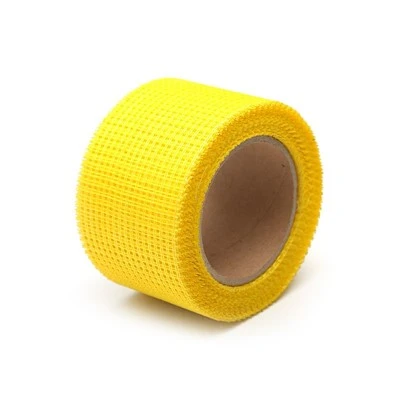
First, let’s get the basics straight. People mix up fiberglass tissue with other fiberglass products all the time—they think it’s the same as the big, coarse fiberglass mat you use for auto body work, or the heavy woven cloth for boat hulls. Nope. Tissue is way thinner, softer, and woven with way finer fibers, almost like a high-tech version of the paper towel in your kitchen, but way stronger. When it’s paired with resin (epoxy, polyester, vinyl ester—those are the main ones), it turns a flimsy liquid plastic into a rigid, durable part. But its role goes way beyond just “reinforcing” stuff.
Let’s start with the boring stuff that actually matters for performance: surface quality. If you pour resin straight onto any old mat, you’ll get a rough, pockmarked surface full of air bubbles and unevenness. Fiberglass tissue acts as a perfect “interface” between the resin and the coarser reinforcement layers. The fine, tight weave of tissue lets resin spread evenly across the whole surface, filling every tiny gap instead of leaving bubbles that turn into weak spots. I’ve had a few construction clients come to me raving about this—they used to have to sand their composite siding panels for 8 hours to fix rough spots, but since switching to our tissue, they only need an hour of light buffing. That’s not just a time saver; it means their finished product looks professional right out of the mold, no extra work.
Next up: barrier and chemical resistance. This is where fiberglass tissue shines in stuff that needs to hold up to weird, harsh environments. Take water tanks for food or chemicals, for example. The resin itself can be porous in thin layers, right? Those tiny gaps let moisture or corrosive fluids seep through, leading to leaks or even breakdown. Fiberglass tissue fills those micro-pores like a plug, creating a nearly impenetrable layer. A friend who makes industrial water treatment tanks told me that after adding our tissue layer, their tank life jumped from 5 years to 12—nothing beats that for repeat business. It’s also great for UV resistance in outdoor composites. The tissue stabilizes the resin so it doesn’t fade or crumble when exposed to sun all year, which is why you see it on patio furniture and pool liners that last way longer than old, non-tissue products.
Strength-to-weight ratio is another big one, and this is what makes composites better than metal or wood. If you use solid steel, a part that holds 100 pounds will weigh a ton. But with composites, the tissue gives you almost the same strength as a thicker, heavier material, but at a fraction of the weight. That’s why aerospace and automotive companies are obsessed with it right now. For example, electric vehicle battery enclosures need to be strong enough to protect the battery from crashes, but light enough to not drain extra power. Fiberglass tissue lets engineers make those enclosures lighter than steel, while still passing all crash tests. I’ve shipped tons of tissue to EV component makers lately, and the feedback I get is that it’s cut their part weight by 15% without sacrificing safety. Even surfers notice—modern boards made with tissue are stiffer, faster, and way less likely to snap than old foam-and-resin ones, which is why pro surfers won’t use anything else these days.
Wait, let’s talk about dimensional stability, too. If you’ve ever left a wooden deck out in the rain and watched it warp, you know how bad material movement is. Fiberglass tissue doesn’t expand or contract nearly as much as resin or wood, so it locks the whole composite part in shape. That’s a game-changer for things like wind turbine blades, which are 100+ feet long. If a blade warps even a tiny amount, it throws off the turbine’s balance, lowers energy output, and can even cause damage. We supply tissue to a couple wind blade manufacturers, and they say the tissue layer keeps the blade’s shape precise within millimeters, even in extreme temperatures from -20°F in the north to 100°F in the desert. No warping, no wasted energy, no premature part replacement.
Now, let’s get real about how it’s actually used, because that’s where a lot of people get confused. You don’t just use tissue alone—usually, you layer it. Let’s say you’re making a boat hull: first, a layer of tissue goes on the mold to make the smooth, waterproof interior. Then you add layers of heavier fiberglass mat or woven cloth for the bulk strength. The tissue bonds with all those layers, creating a solid, integrated part instead of separate bits that might delaminate (that’s when layers peel apart, the worst thing that can happen to a composite). I’ve had clients make the mistake of skipping the tissue layer once, and within a year, their boat hull was cracking and separating—costing them tens of thousands in repairs. Don’t skip the tissue; it’s the glue that holds everything together, literally.
As a supplier, I’ll be honest: not all fiberglass tissue is the same. A lot of new buyers think “fiberglass is fiberglass,” but no—there are different weights, weaves, and fiber types for every job. Thin tissue (like 10-20 grams per square meter) is for things like surfboard tops or boat interiors where you want super smooth finishes. Thicker tissue (50-80 gsm) is for structural parts like battery enclosures or wind turbine blades where you need a bit more strength without adding weight. We work with clients to figure out exactly what they need, no one-size-fits-all garbage. I’ve had a small business owner come to me a few years back, making custom kayak paddles, and he was using too-thick tissue that made his paddles heavy and hard to use. We swapped him to a lighter, finer weave tissue, and his paddle sales tripled because they’re now light enough for long tours.
Let’s also clear up a common myth: fiberglass tissue is not toxic. A lot of people worry about glass fibers, but modern manufacturing methods make our tissue with tightly bound fibers that don’t shed into the air when you’re working with it. We follow OSHA guidelines, and most of our clients don’t even need special respiratory gear when handling our tissue—just gloves and basic ventilation. That’s a big deal for small workshops or DIYers, who don’t want to deal with fumes or itchy fibers all over their hands.
So, putting it all together: fiberglass tissue isn’t just an additive to composites. It’s the multi-tasker that makes composites useful. It gives you a smooth surface, seals out water and chemicals, adds strength without weight, keeps parts from warping, and stops layers from peeling. I’ve seen it turn hobby projects into successful businesses, small industrial parts into reliable long-term solutions, and big aerospace projects into game-changing innovations.
If you’re working with composites—whether you’re a small shop making custom parts, a big manufacturer building wind turbines or EVs, or anyone in between—you know how frustrating it is to have a part that doesn’t meet performance, weight, or cost goals. That’s where the right fiberglass tissue comes in. We’ve been supplying top-quality, tailored tissue for over a decade, and we know how to match your exact needs, no generic products or hidden fees. Whether you need a small test order for a prototype or bulk shipments for production runs, we can get you what you need fast, and we’re always here to help you figure out the best setup for your project. Don’t settle for mediocre composite parts—reach out to us to chat through your needs.
Fiberglass Tape References:
- Kutz, M. (2011). Handbook of Composite Materials. Wiley.
- ASTM D578-18, Standard Specification for Glass Fiber Strands.
- Wind Energy Composites: Materials, Manufacturing, and Performance. Woodhead Publishing, 2020.
- Automotive Composites: Lightweighting for Electric and Hybrid Vehicles. SAE International, 2022.
- Fiberglass Reinforced Plastics: A Practical Guide. Society of Plastics Engineers, 2019.
Danyang Yonggu Building Materials Co., Ltd.
Danyang Yonggu Building Materials Co., Ltd. is one of the most professional fiberglass tissue manufacturers and suppliers in China, featured by quality products and good price. Please rest assured to wholesale customized fiberglass tissue made in China here from our factory.
Address: Danyang City, Jiangsu Province, P.R. China
E-mail: sales02@cnyongu.com
WebSite: https://www.ygfiberglass.com/
