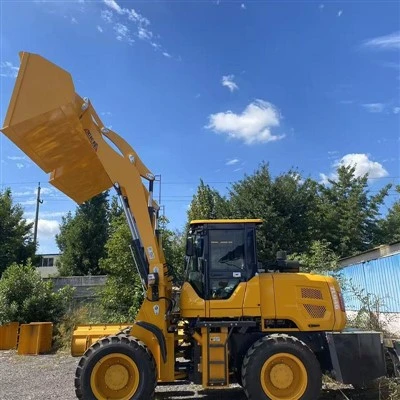
Using a wheel excavator is an efficient way to tackle various construction and excavation tasks. However, proper maintenance, especially cleaning after each use, is crucial for its longevity, performance, and safety. As a wheel excavator supplier, I understand the importance of this process and am here to guide you through a comprehensive cleaning routine. Wheel Excavator
Pre – cleaning Preparations
Before you start the actual cleaning process, it is essential to take some preparatory steps. First, ensure the wheel excavator is parked on a flat, stable surface. This not only prevents any accidental movement during cleaning but also allows for proper drainage of water and debris. Turn off the engine and let it cool down completely. Hot components can cause burns, and cleaning a hot engine can also lead to thermal shock, which may damage sensitive parts.
Next, gather all the necessary cleaning supplies. You will need a high – pressure hose, a soft – bristled brush, a bucket of soapy water, a degreaser, microfiber cloths, and a vacuum cleaner (if available). The high – pressure hose is great for removing large amounts of dirt and mud, while the soft – bristled brush can reach into tight spaces without scratching the surfaces. The degreaser is essential for removing oil, grease, and stubborn stains, and the microfiber cloths are perfect for drying and polishing.
Cleaning the Exterior
The exterior of the wheel excavator is the first area to clean. Start by using the high – pressure hose to rinse off loose dirt, mud, and debris. Begin from the top of the machine and work your way down. This helps prevent dirt from running down and re – soiling areas that you have already cleaned. Pay special attention to the undercarriage, where a significant amount of dirt and mud can accumulate.
After the initial rinse, prepare a bucket of soapy water using a mild detergent. Dip the soft – bristled brush into the soapy water and gently scrub the exterior surfaces. This includes the body panels, the cab, and the boom. Be careful around the windows and lights to avoid scratching them. For areas with stubborn stains or grease, apply a degreaser according to the manufacturer’s instructions. Let the degreaser sit for a few minutes to break down the contaminants, then scrub and rinse thoroughly.
Once you have scrubbed the entire exterior, use the high – pressure hose again to rinse off all the soapy water and degreaser. Make sure to remove all the cleaning agents to prevent them from drying on the surface and causing damage. Finally, use a microfiber cloth to dry the exterior. This not only helps prevent water spots but also gives the machine a clean, polished look.
Cleaning the Cab
The cab is the operator’s workspace, so it is important to keep it clean and comfortable. Start by vacuuming the floor, seats, and any other upholstered areas to remove dust, dirt, and debris. Use a soft – bristled brush to gently scrub the console, dashboard, and control panels. Be careful not to get any water on the electrical components.
Wipe down the windows and mirrors with a glass cleaner and a microfiber cloth. This ensures clear visibility for the operator. You can also use a mild detergent to clean the interior plastic and metal surfaces. Rinse with a damp cloth and dry thoroughly.
Cleaning the Engine Compartment
The engine compartment is the heart of the wheel excavator, and proper cleaning is essential for its performance. Before starting, make sure the engine is completely cool. Use a vacuum cleaner to remove any loose dirt, dust, and debris from the engine compartment. Be careful around the sensitive components such as the air filter, radiator, and electrical connections.
For stubborn grease and oil stains, apply a degreaser. Use a soft – bristled brush to gently scrub the affected areas. Rinse the engine compartment with a low – pressure hose to avoid damaging the components. Make sure to direct the water away from the air intake and electrical parts.
After rinsing, use a microfiber cloth to dry as much water as possible. You can also let the engine compartment air – dry for a while to ensure that there is no residual moisture.
Cleaning the Hydraulic System
The hydraulic system is a critical part of the wheel excavator, and keeping it clean is vital for its proper operation. Start by inspecting the hydraulic hoses and connections for any signs of dirt, debris, or leaks. Use a clean cloth to wipe down the hoses and connections.
If there is any dirt or debris on the hydraulic reservoir, clean the outside of the reservoir with a mild detergent and a soft – cloth. Be careful not to let any cleaning agent or debris enter the reservoir. Check the hydraulic fluid level and top it up if necessary.
Cleaning the Tracks and Wheels
If your wheel excavator has tracks, use a high – pressure hose to remove dirt, mud, and debris from the tracks. Pay special attention to the spaces between the track links. Use a brush to scrub any stubborn dirt. For the wheels, clean the rims and tires with soapy water and a brush. Rinse thoroughly and dry with a cloth.
Post – cleaning Checks
After completing the cleaning process, it is important to perform a post – cleaning check. Inspect the entire machine for any signs of damage or wear that may have been uncovered during the cleaning. Check the fluid levels, including the engine oil, coolant, and hydraulic fluid. Make sure all the connections are tight and there are no leaks.
Start the engine and let it run for a few minutes to check for any abnormal noises or vibrations. Test the controls to ensure that they are functioning properly.
Importance of Regular Cleaning
Regular cleaning of your wheel excavator offers numerous benefits. Firstly, it helps to prevent corrosion. Dirt, mud, and moisture can cause rust and corrosion, which can weaken the structural integrity of the machine. By keeping the excavator clean, you can extend its lifespan and reduce the need for costly repairs.
Secondly, a clean excavator performs better. When the engine, hydraulic system, and other components are free from dirt and debris, they can operate more efficiently. This leads to improved fuel economy and better overall performance.
Thirdly, a clean cab provides a more comfortable working environment for the operator. This can increase productivity and reduce operator fatigue.
Conclusion
Cleaning a wheel excavator after use is a crucial part of its maintenance. By following the steps outlined above, you can ensure that your machine remains in top condition, performs at its best, and has a long lifespan. As a wheel excavator supplier, I encourage you to make regular cleaning a part of your maintenance routine.
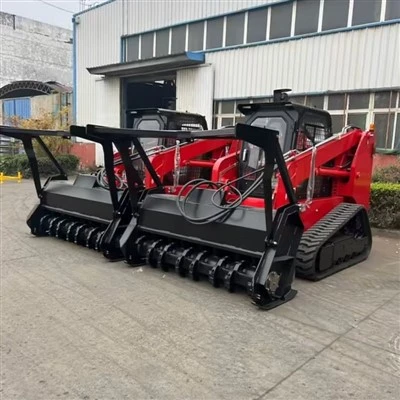
Loader If you are in the market for a new wheel excavator or need more information about our products and services, I invite you to contact us for a procurement discussion. We are dedicated to providing high – quality wheel excavators and excellent customer support.
References
- "Construction Equipment Maintenance Handbook", various industry experts
- Manufacturer’s manuals for wheel excavators
- Industry – specific magazines and journals related to construction equipment maintenance
Shandong Feisite Machinery Co., Ltd.
As one of the most professional wheel excavator manufacturers and suppliers in China, we’re featured by quality products and good service. Please rest assured to buy cheap wheel excavator made in China here and get quotation from our factory. Customized orders are welcome.
Address: 100 meters south of Zengfusi Village, Mihe Town, Qingzhou City, Shandong Province
E-mail: Wpeng19911103@qq.com
WebSite: https://www.shandongfeisite.com/
