Winterizing a second-hand loader is a crucial process that ensures its optimal performance and longevity during the cold winter months. As a seasoned second-hand loader supplier, I’ve witnessed firsthand the impact that proper winterization can have on these heavy machines. In this blog post, I’ll share my insights and practical tips on how to winterize a second-hand loader effectively. Second Hand Loader

Understanding the Importance of Winterization
First and foremost, it’s essential to understand why winterizing a second-hand loader is so important. Cold temperatures can take a toll on the various components of a loader, including the engine, hydraulic system, and tires. For instance, low temperatures can cause the engine oil to thicken, reducing its ability to lubricate the engine parts effectively. This can lead to increased wear and tear, potentially resulting in costly repairs.
The hydraulic system is also vulnerable to cold weather. Hydraulic fluid can become more viscous in cold temperatures, which can impede the smooth operation of the loader’s hydraulic cylinders and pumps. This can affect the loader’s lifting capacity and overall performance. Additionally, the tires can lose air pressure more quickly in cold weather, which can lead to uneven wear and reduced traction.
Pre-Winter Inspection
Before you start the winterization process, it’s important to conduct a thorough pre-winter inspection of the second-hand loader. This inspection should cover all the major components of the loader, including the engine, hydraulic system, tires, and electrical system.
- Engine Inspection: Check the engine oil level and quality. If the oil is dirty or if it’s approaching the end of its service life, it’s recommended to change it. Also, inspect the air filter and replace it if it’s clogged. A dirty air filter can restrict the airflow to the engine, reducing its performance and fuel efficiency.
- Hydraulic System Inspection: Examine the hydraulic fluid level and look for any signs of leaks. Check the hydraulic hoses and connections for cracks or damage. If you notice any issues, it’s important to address them before winter. Ensure that the hydraulic fluid is suitable for cold weather operation. Some hydraulic fluids are designed to maintain their viscosity in low temperatures, which can help prevent issues with the hydraulic system during winter.
- Tire Inspection: Check the tire pressure and tread depth. Cold weather can cause the tire pressure to drop, so it’s important to maintain the correct tire pressure. If the tread depth is low, consider replacing the tires. Worn tires can reduce traction, especially on snowy or icy surfaces, which can pose a safety risk.
- Electrical System Inspection: Inspect the battery for any signs of corrosion or damage. Check the battery terminals and clean them if necessary. Cold weather can put additional stress on the battery, so it’s important to ensure that it’s in good condition. You may also want to consider using a battery warmer to help keep the battery charged during cold weather.
Engine Winterization
Once the pre-winter inspection is complete, it’s time to focus on engine winterization. Here are some key steps to follow:
- Use the Right Fuel: In cold weather, it’s important to use fuel that’s suitable for low temperatures. Diesel fuel, for example, can gel in cold temperatures, which can clog the fuel lines and filters. Consider using a winter blend diesel fuel or adding a fuel additive to prevent gelling.
- Change the Engine Oil: As mentioned earlier, cold temperatures can cause the engine oil to thicken. To ensure that the engine is properly lubricated, it’s recommended to change the engine oil to a grade that’s suitable for cold weather. Consult the loader’s owner’s manual for the recommended oil grade.
- Install an Engine Block Heater: An engine block heater can help keep the engine warm during cold weather, making it easier to start the loader. This is especially important if the loader is stored outdoors. Install the engine block heater according to the manufacturer’s instructions and plug it in a few hours before starting the loader.
- Check the Cooling System: The cooling system plays a crucial role in maintaining the engine’s temperature. Check the coolant level and ensure that it’s a proper mixture of antifreeze and water. The antifreeze will prevent the coolant from freezing in cold temperatures.
Hydraulic System Winterization
The hydraulic system is another critical component that requires proper winterization. Here’s what you need to do:
- Change the Hydraulic Fluid: Just like the engine oil, the hydraulic fluid can become more viscous in cold temperatures. To ensure the smooth operation of the hydraulic system, it’s important to change the hydraulic fluid to a grade that’s suitable for cold weather. Consult the loader’s owner’s manual for the recommended fluid grade.
- Insulate the Hydraulic Hoses: Insulating the hydraulic hoses can help prevent the hydraulic fluid from cooling down too quickly. This can help maintain the fluid’s viscosity and ensure that the hydraulic system operates smoothly. Use insulation material specifically designed for hydraulic hoses and wrap it around the hoses according to the manufacturer’s instructions.
- Operate the Hydraulic System Regularly: During the winter months, it’s a good idea to operate the hydraulic system regularly, even if the loader is not in use. This can help keep the hydraulic fluid moving and prevent it from thickening.
Tire Winterization
Proper tire winterization is essential for maintaining traction and safety on snowy or icy surfaces. Here are some tips:
- Adjust the Tire Pressure: As mentioned earlier, cold weather can cause the tire pressure to drop. Check the tire pressure regularly and adjust it as needed to maintain the recommended pressure.
- Consider Using Winter Tires: If you operate the loader in areas with heavy snow or ice, consider using winter tires. Winter tires are designed with a special tread pattern and rubber compound that provides better traction in cold weather conditions.
- Store the Tires Properly: If you’re not using the loader during the winter months, it’s important to store the tires properly. Remove the tires from the loader and store them in a dry, cool place. Make sure to clean the tires before storing them to prevent the buildup of dirt and debris.
Electrical System Winterization
The electrical system is also susceptible to cold weather. Here’s how you can winterize it:
- Keep the Battery Charged: As mentioned earlier, cold weather can put additional stress on the battery. To ensure that the battery has enough power to start the loader, keep it charged. You can use a battery charger or a solar charger to maintain the battery’s charge.
- Inspect the Wiring: Check the wiring for any signs of damage or corrosion. If you notice any issues, repair or replace the damaged wiring. Loose or corroded connections can cause electrical problems, which can affect the loader’s operation.
- Protect the Electrical Components: Protect the electrical components from moisture and snow. You can use covers or shields to prevent snow and ice from accumulating on the components.
Storage Considerations
If you’re not using the loader during the winter months, proper storage is crucial to prevent damage. Here are some storage tips:
- Clean the Loader: Before storing the loader, clean it thoroughly to remove dirt, debris, and any corrosive substances. This can help prevent rust and damage to the loader’s components.
- Store the Loader Indoors: If possible, store the loader indoors in a dry, heated area. This can help protect it from the cold weather and prevent damage to the engine, hydraulic system, and other components.
- Apply a Protectant: Apply a protectant to the loader’s metal surfaces to prevent rust. You can use a rust inhibitor or a wax coating to protect the surfaces.
- Disconnect the Battery: If the loader is going to be stored for an extended period, disconnect the battery to prevent it from discharging.
Conclusion
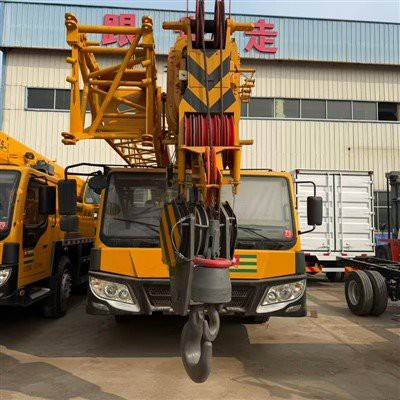
Winterizing a second-hand loader is a comprehensive process that requires attention to detail and proper maintenance. By following the tips outlined in this blog post, you can ensure that your second-hand loader performs optimally during the cold winter months and remains in good condition for years to come.
Low Flatbed Semi-trailer As a second-hand loader supplier, I understand the importance of helping our customers get the most out of their equipment. If you’re in the market for a second-hand loader or need assistance with winterizing your existing loader, don’t hesitate to reach out. We’re here to provide you with expert advice and support to ensure that your loader meets your needs and performs at its best, even in the harshest winter conditions.
Let’s start a conversation about your second-hand loader requirements. Whether you’re looking for a specific model or need advice on winterization, we’re ready to assist you. Contact us today to discuss your options and take the first step towards getting the right loader for your business.
References
- Caterpillar Inc., "Winterizing Your Equipment," Caterpillar Technical Publications.
- John Deere, "Cold Weather Equipment Tips," John Deere Owner’s Manuals.
- Komatsu Ltd., "Winter Maintenance Guide for Construction Equipment," Komatsu Service Manuals.
Liangshan Guanyue Auto Trading Co., Ltd.
As one of the leading second hand loader manufacturers and suppliers in China, we warmly welcome you to buy bulk high quality second hand loader at low price from our factory. If you have any enquiry about pricelist and quotation, please feel free to email us.
Address: Liangshan County, Jining City, Shandong Province
E-mail: guanyuetruck@gmail.com
WebSite: https://www.gytruck.com/
