Hey everyone, if you’ve ever had a kitchen faucet that doesn’t drip, a car engine that doesn’t overheat, or a shipping container that keeps rain out, you’ve got rubber seals to thank for that. I’m [Your Name], and my team and I run a rubber seals supply business—so trust me when I say, the materials we use for these little workhorses make all the difference. A lot of folks hit me up going, “Wait, why do some seals crack after a year, and others last a decade?” It’s all in the material. Let’s break down the most common ones we stock, what they’re good for, and when you’d reach for each (no fancy jargon, promise—just real talk we use with our clients every day). Rubber Seals

First up, the OG natural rubber, or NR like we shorthand it around the shop. Don’t sleep on this one—most people forget rubber starts as a plant, right? Latex from rubber trees. It’s stretchy as hell, which makes it perfect for things that need a tight, flexible fit, like door seals on fridges or windows in old homes. But here’s the catch: it hates oil and heat. If you stick natural rubber on a car’s engine part, it’ll turn gooey in a month. We mostly use NR for low-stress, dry environments, and it’s cheap as chips, which is why it’s our go-to for residential stuff. Last year we had a local HVAC company order 500 feet of NR door seals—they’ve re-ordered three times since, because it works exactly as promised there.
Next, nitrile rubber, aka NBR. This is the workhorse of industrial seals, no cap. It’s a synthetic rubber made by combining acrylonitrile and butadiene, and it’s basically built to fight oil and grease. If you’ve got a car’s fuel line seal, or a hydraulic pump seal, 9 times out of 10 it’s NBR. What we love about it is it holds up in temps from like -40°F to 220°F, so it works in a million different places—factories, cars, even some kitchen equipment that deals with oil. We do a lot of parts for small engine shops, and every single one of them specifies NBR first. The only downside? It’s not great with super high heat, like if you’re dealing with parts that hit 300°F+, NBR will start to break down. That’s when we reach for the next one.
EPDM, short for ethylene propylene diene monomer. This is the outdoor rubber hero. If you’ve ever seen a car with window seals that don’t crack in the sun, or a playground slide’s edge that doesn’t turn brittle after a few years, that’s EPDM. It’s resistant to UV rays, ozone (that’s the stuff in air that makes old rubber crumble), and extreme weather—cold, hot, rain, snow, you name it. EPDM works in temps from -60°F up to 300°F, which is way more than NBR. We use EPDM a lot for construction clients—they order it for roof seals, window gaskets, even outdoor equipment enclosures. I once had a guy come to us after a bad experience with a cheap rubber seal that cracked in 6 months; we swapped his parts for EPDM, and he’s been a regular ever since. The only thing? It’s not as oil-resistant as NBR, so keep that in mind for engine parts.
Now, for the extreme stuff—fluoroelastomers, or FKM (also called Viton, but Viton’s a brand name, so we stick to FKM for accuracy). This is the heavy hitter when you’re dealing with super high heat, chemicals, or harsh environments. FKM can handle temps up to 400°F, and it’s resistant to almost every chemical out there—gasoline, acids, solvents, even jet fuel. If you’ve got a jet engine seal, or a chemical processing plant’s pump, this is what you use. It’s way more expensive than NBR or EPDM, but it lasts forever in those tough spots. We don’t stock tons of it because it’s niche, but when we do, it’s for clients who need something that can take a beating. Last year we sent a pallet of FKM seals to a pharmaceutical company—they needed seals for their reaction vessels, and those things run super hot with harsh chemicals. They told us they haven’t had to replace them once in two years, which is way better than the seals they were using before.
Wait, I can’t forget silicone rubber, or VMQ. This is the one you find in baby bottle nipples, oven door seals, and medical equipment. It’s non-toxic, so it’s perfect for stuff that touches food or humans. Silicone can handle temps from -100°F up to 500°F, which is wild, but it’s not great with oil or chemicals. We use VMQ a lot for food and beverage clients—they need seals on their processing lines that won’t contaminate their drinks or food, and silicone is safe for that. It’s also flexible in super cold temps, so it works for things like ice cream machine seals too. The downside? It’s softer than other rubbers, so it doesn’t hold up under high pressure, which is why you won’t see it in car engines.
Oh, and there are the specialty ones we use for super specific jobs, like neoprene (CR) for marine environments—It resists saltwater way better than NBR, so it’s great for boat parts. Then there’s butyl rubber (IIR) for things like tire inner tubes or window seals that need to hold in air, since it’s super good at keeping gases from passing through. We even stock a blended rubber sometimes, like NBR + PVC, which is a mix of nitrile and polyvinyl chloride. It’s more flexible than straight NBR and holds up better to abrasion, so we sell it for conveyor belts or parts that rub a lot.
Here’s the thing we tell every new client: picking the right rubber seal material isn’t just about grabbing the cheapest one. If you use NR for an engine, it’ll fail fast. If you use EPDM for a hydraulic pump, it’ll leak because it can’t handle the oil. That’s why we ask clients a ton of questions upfront: what’s the seal going to be exposed to? What’s the temperature range? Is it in a factory, a car, outdoors, touching food? Once we have those answers, we can point them to the right material and even recommend the exact size and shape they need.
A lot of small business owners come to us thinking all rubber seals are the same, but after we explain the materials, they get it. Last month, a guy who runs a food truck came to us—his grease trap seals were failing every month, and he was spending a fortune replacing them. We suggested NBR, since it handles grease, and he ordered 10 of them. He texted me two weeks later saying “those things are still good!” instead of buying more every 30 days. That’s the kind of win we live for, right?
If you’re wondering what we do differently from other seal suppliers, it’s that we don’t push the most expensive stuff unless you actually need it. We don’t upsell FKM for a fridge seal, and we don’t sell you cheap NR for an industrial pump. We’re here to help you get a seal that works for your needs, not just our bottom line. We stock all these materials in different sizes too, so whether you need a tiny seal for a watch part or 50 feet of EPDM for a construction job, we’ve got you covered.
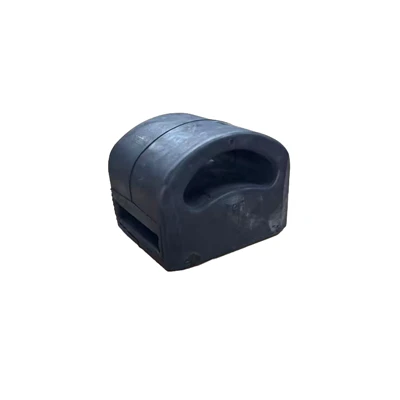
If you’ve ever had a seal fail and cost you time or money, you know how important it is to get it right. Don’t guess—reach out to us, tell us what you need, and we’ll hook you up with the right rubber seal material for the job. No hidden fees, no confusing fine print, just reliable seals that last.
Rubber Bushing References
- "Rubber Compounds and Their Applications." Rubber Manufacturers Association, 2022.
- "Elastomers for Sealing: Material Selection Guide." Society of Tribologists and Lubrication Engineers, 2021.
- "Silicone Rubber in Food Contact Applications." U.S. Food and Drug Administration, 2023.
- "Nitrile Rubber (NBR) Properties and Uses." ExxonMobil Chemical, 2022.
- "EPDM Rubber: Outdoor Sealing Solutions." DuPont Performance Elastomers, 2021.
- "Fluoroelastomers (FKM) for Extreme Environments." Dow Chemical Company, 2022.
- "Neoprene (CR) for Marine and Abrasive Seals." AGC Chemicals, 2023.
- "Butyl Rubber (IIR) for Gas and Vapor Barriers." Versalis, 2022.
Anhui Anling Rubber & Plastic Co., Ltd.
We are one of the most professional rubber seals manufacturers and suppliers in China, featured by quality products and good service. Please rest assured to wholesale bulk rubber seals in stock here and get quotation from our factory. We also accept customized orders.
Address: 3.9-Square-Kilometer Industrial Park in the Development Zone, Anqing City, Anhui Province
E-mail: anhuianling@126.com
WebSite: https://www.anhuianling.com/
